
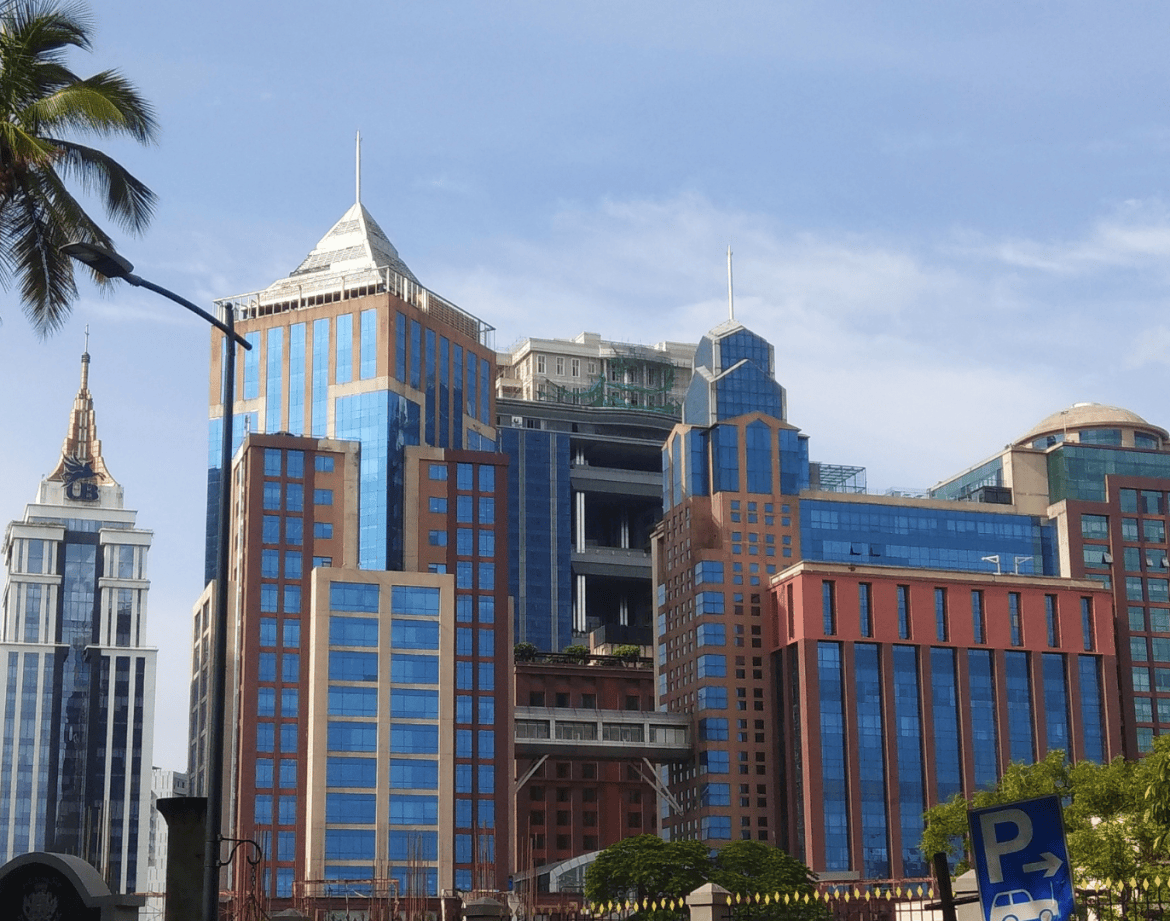
The Rise of Bangalore as India’s Silicon Valley: A 20-Year Retrospective
Introduction
Over the past two decades, Bangalore has emerged as the epicenter of India’s tech revolution, earning the moniker “Silicon Valley of India.” The transformation of this once-quiet pensioners’ paradise into a bustling metropolis, brimming with software companies and tech startups, is nothing short of remarkable. This blog takes a deep dive into how Bangalore has grown into a global IT hub.
Early Days of Technological Emergence
The seeds of Bangalore’s IT boom were sown in the late 1990s and early 2000s. The city’s pleasant climate, strategic location, and availability of skilled talent made it an ideal choice for IT companies. The establishment of the International Tech Park in Whitefield in 1998 marked the beginning of this transformation, attracting both domestic and international tech firms.
2000s: The Rapid Growth Phase
The early 2000s saw a significant influx of global IT giants like IBM, Microsoft, and Google, which established their Indian headquarters in Bangalore. This period was characterized by a rapid growth in the IT sector, fueled by the global demand for software services and the city’s growing reputation as a tech powerhouse.
Infrastructure and Talent Pool
A key factor in Bangalore’s IT rise has been its robust infrastructure and rich talent pool. Premier institutions like the Indian Institute of Science (IISc) and the National Institute of Technology Karnataka (NITK) have been instrumental in providing a steady stream of skilled professionals. Additionally, the city’s cosmopolitan culture made it an attractive destination for talent from across India.
The Start-up Boom
The 2010s witnessed the emergence of Bangalore as a start-up haven. Innovators and entrepreneurs flocked to the city, drawn by its vibrant ecosystem and supportive community. This era saw the birth of unicorns like Flipkart, Ola, and Swiggy, which have redefined their respective industries.
Government Initiatives and Policies
The growth of software companies in Bangalore has been further bolstered by supportive government policies. Initiatives like the establishment of the Bangalore Bio-Innovation Centre and the Karnataka Digital Economy Mission have been pivotal in promoting technological innovation and investment.
Challenges and Adaptation
The journey, however, has not been without challenges. Traffic congestion and infrastructural strain have been constant hurdles. Nonetheless, the city has shown remarkable resilience and adaptability, with initiatives like the Namma Metro and the development of satellite IT hubs in areas like Electronic City and Outer Ring Road.
The Pandemic and Beyond
The COVID-19 pandemic brought unprecedented challenges but also accelerated digital transformation. Bangalore’s IT firms swiftly adapted to remote working models, showcasing the sector’s agility and resilience. The post-pandemic era is likely to see further technological advancements, with a focus on AI, Machine Learning, and sustainable technologies.
Conclusion
Over the past 20 years, Bangalore has not just grown; it has evolved into a global tech hub. The city’s journey from a serene retirement spot to the heart of India’s tech revolution is a testament to its dynamic spirit and innovative prowess. As we look to the future, Bangalore is poised to remain at the forefront of the global software and technology landscape, continuing to drive innovation and growth.